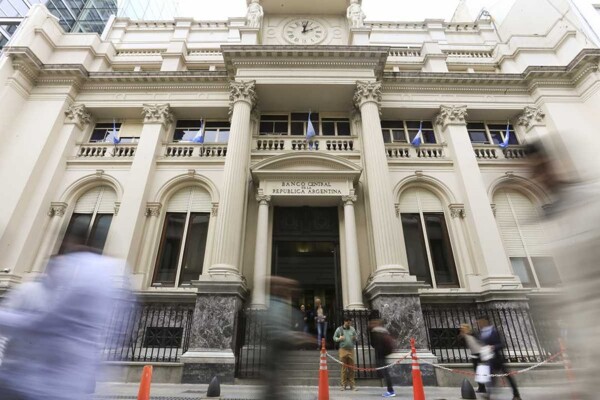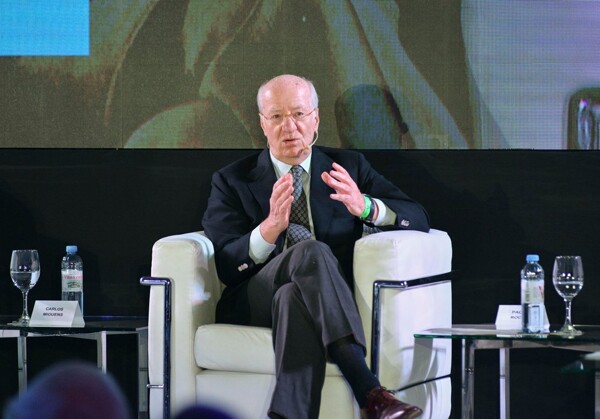
Buenos Aires, December 5, 2025 - Argentina has marked a milestone in its financial recovery by issuing a new dollar-denominated sovereign bond maturing in 2029 with a 6.5% annual coupon, the first international placement in seven years since the last one in 2018, before the 2020 default. Announced on December 4 and issued under New York law, this operation raised US$2.5 billion at an effective rate of 7.2% (above the coupon due to a discount issue), reflecting investor confidence in the sustained fiscal surplus of 1.5% of GDP and the alliance with the U.S. The funds will be used for the repurchase of existing debt and the accumulation of reserves, which reached US$41.118 billion gross and US$275 million net as of November 30. Markets reacted positively: the country risk spread fell from 650 basis points to 600 bp, bonds like GD29 rose 2.3% to US$87.48, and the Merval index advanced 12% weekly. Market comments and the government celebrate this issuance as a validation of the current course. One expert highlights the 'outperformance' in markets, with the Merval doubling in dollars since 2023 and the IMF's confidence, mitigating electoral risks thanks to U.S. support. Another emphasizes the 'structural change' with a historic 19-month surplus, reversing inherited deficits and attracting capital to sectors like mining, projecting 5.2% growth in 2026 without explosive inflation. A third stresses the end of monetary issuance as key to this return to markets, seeing the 6.5% rate as 'reasonable' in the context of lower export duties and tax reforms inspired by successful models. This consolidates disinflation to 22% annually until September. However, challenges such as US$18 billion in maturities in 2026 persist, and success will depend on maintaining balance without populist concessions. Finally, it is emphasized that the 2029 bond at 6.5% positions Argentina as a 'responsible player' globally, with potential reserves of US$60-70 billion in 2026 if accumulated through exports and swaps. This issuance, the first post-2020 restructuring, represents a 'tipping point' after seven years of isolation, driven by Trump's doctrine that prioritizes allies with fiscal discipline. With the dollar stable at ARS 1,400-1,450 and inflation projected at 2.1% for November, Argentina seems to be on track for a prolonged cycle of stability and growth.